
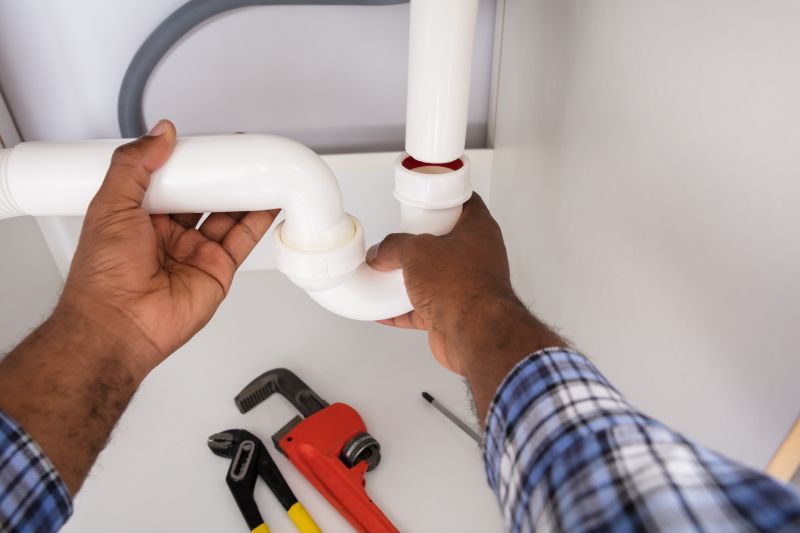
Pipe Unclogging in Denver, CO
Pipe unclogging services focus on removing blockages from residential plumbing systems to restore proper flow and prevent water damage. These services typically address clogs in kitchen sinks, bathroom drains, toilets, and main sewer lines. Property owners often request pipe unclogging when experiencing slow drains, recurring backups, or foul odors that suggest a blockage. Understanding the location of the clog, the type of pipe material, and the potential causes-such as grease buildup, hair, or foreign objects-can help homeowners communicate their needs effectively before requesting service.
Before requesting pipe unclogging, property owners should consider any recent plumbing issues, including previous clogs or repairs, and note any unusual sounds or water levels in fixtures. It’s helpful to identify whether the clog is isolated to a single fixture or affects multiple drains, which can indicate if the problem is localized or in the main sewer line. Proper information about the symptoms and the affected areas can assist in determining the most appropriate approach to resolve the blockage efficiently.
Many property owners in Denver, CO look into Pipe Unclogging for repairs, replacements, upgrades, and appearance-related improvements.
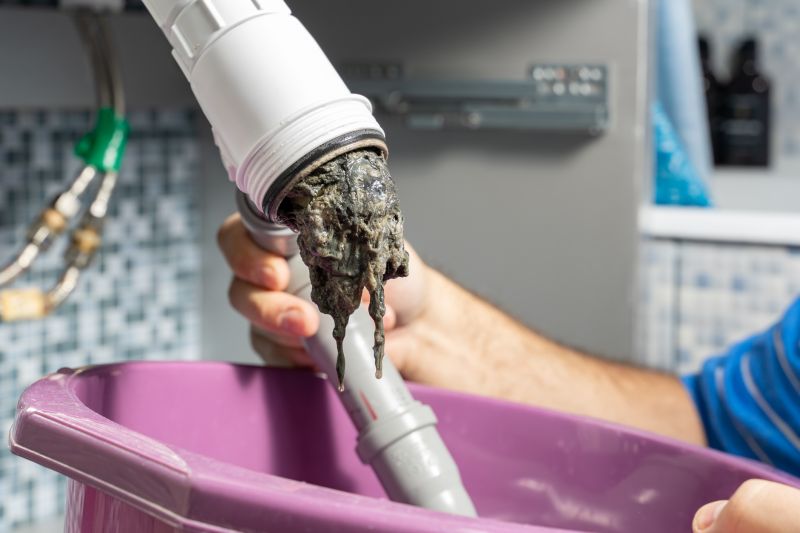
Common Causes Of Clogs
Understanding typical reasons for pipe blockages can help prevent future issues.
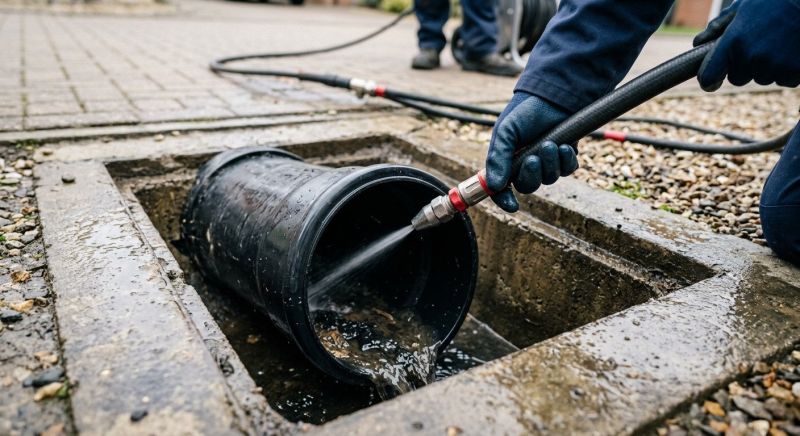
Signs Of A Clogged Pipe
Slow draining fixtures and foul odors are indicators that a pipe may be obstructed.
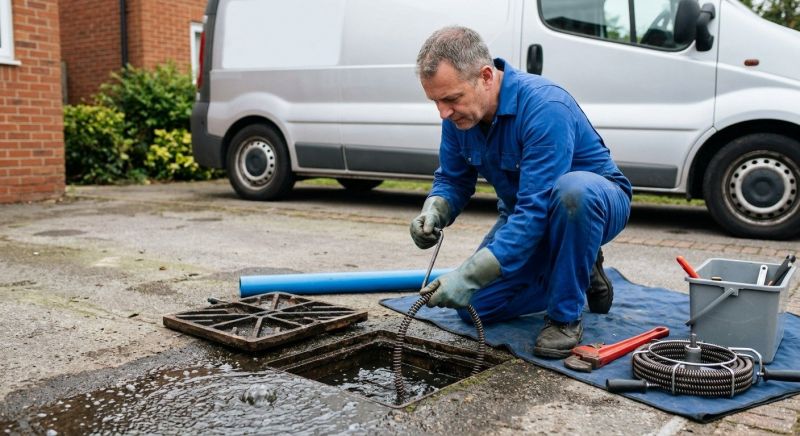
Preventative Maintenance Tips
Regularly avoiding grease, hair, and debris buildup can keep pipes clear in denver homes.
Pipe Unclogging in Denver, CO

Pipe unclogging services focus on removing blockages from residential plumbing systems to restore proper flow and prevent water damage. These services typically address clogs in kitchen sinks, bathroom drains, toilets, and main sewer lines. Property owners often request pipe unclogging when experiencing slow drains, recurring backups, or foul odors that suggest a blockage. Understanding the location of the clog, the type of pipe material, and the potential causes-such as grease buildup, hair, or foreign objects-can help homeowners communicate their needs effectively before requesting service.
Before requesting pipe unclogging, property owners should consider any recent plumbing issues, including previous clogs or repairs, and note any unusual sounds or water levels in fixtures. It’s helpful to identify whether the clog is isolated to a single fixture or affects multiple drains, which can indicate if the problem is localized or in the main sewer line. Proper information about the symptoms and the affected areas can assist in determining the most appropriate approach to resolve the blockage efficiently.
Many property owners in Denver, CO look into Pipe Unclogging for repairs, replacements, upgrades, and appearance-related improvements.
Common Pipe Unclogging Jobs
Drain clearing - removing blockages to restore proper water flow in household pipes.
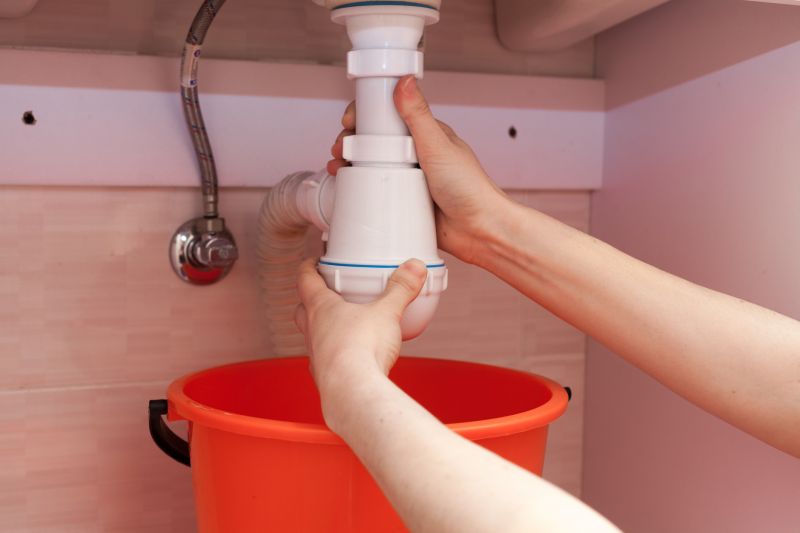
Kitchen sink unclogging - resolving stubborn clogs caused by grease, food, or debris.
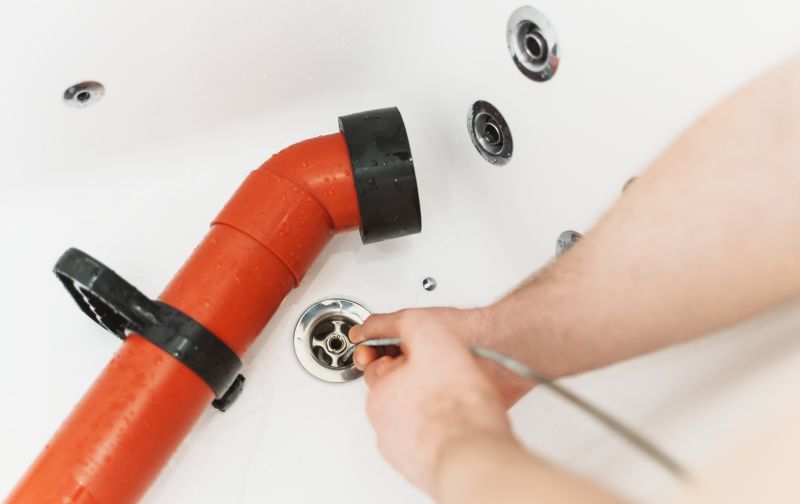
Bathroom drain repair - addressing slow or backing-up drains in showers and tubs.
Main sewer line cleaning - clearing blockages that affect the entire plumbing system.
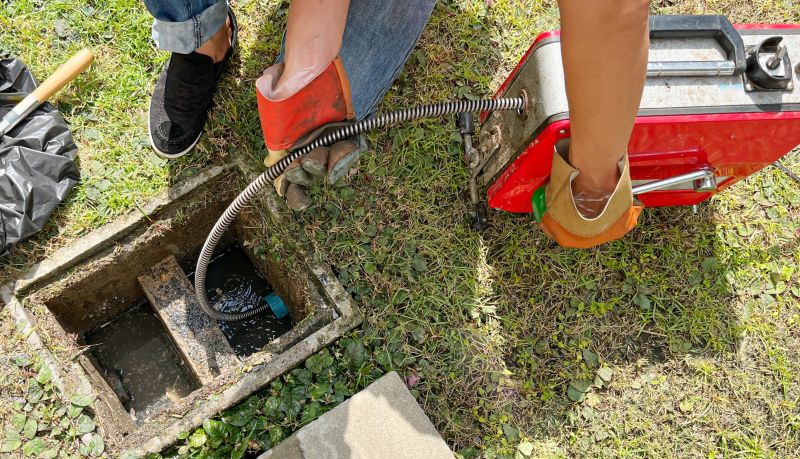
Pipe snaking services - breaking up obstructions deep within drain pipes with specialized tools.
Emergency drain services - quick response for sudden or severe clogs disrupting daily routines.
Pipe Unclogging Questions
What causes pipe clogs? Common causes include hair, grease, food particles, and mineral buildup that block pipes over time.
How can I tell if a pipe is clogged? Signs include slow draining sinks, gurgling sounds, or foul odors coming from drains.
Are there preventatives for pipe clogs? Regularly avoiding pouring grease down drains and using drain screens can help prevent clogs.
What types of pipes are most prone to clogs? Kitchen and bathroom drains with narrower pipes are more susceptible to blockages from debris and buildup.
Request Pipe Unclogging in Denver, CO
Use the quote form on this page to share the basics of your project and request more information for the type of work you need.